Sight Loss and Safe Bathing
Sight loss and safe bathing
Some of the biggest bathroom risks aren't about strength or balance at all; They're about seeing clearly and understanding what's in front of you. For someone living with dementia or sight loss, a bathroom that looks perfectly safe on paper can still feel confusing, disorientating or even frightening to use. Thoughtful design can change that, giving families real peace of mind alongside dignity for the person using it.
This summer, as many of our customers across Bournemouth, the New Forest, Southampton, Portsmouth and Salisbury plan ahead for autumn and winter, it is worth thinking beyond grab rails and non-slip flooring and considering how the space is actually perceived.
Why Standard "Safe" Bathrooms Can Still Cause Problems
A bathroom can tick every accessibility box; a walk-in shower, grab rails, level-access flooring but it can still be hard to navigate if someone struggles to:
- Distinguish the toilet from the floor or wall
- Judge the edge of a shower tray or step
- Read taps, dials or switches clearly
- Feel confident finding their way around at night
These issues aren't about mobility. They're about perception, memory and confidence and they need a different kind of design thinking.
Colour Contrast: Small Choices, Big Clarity
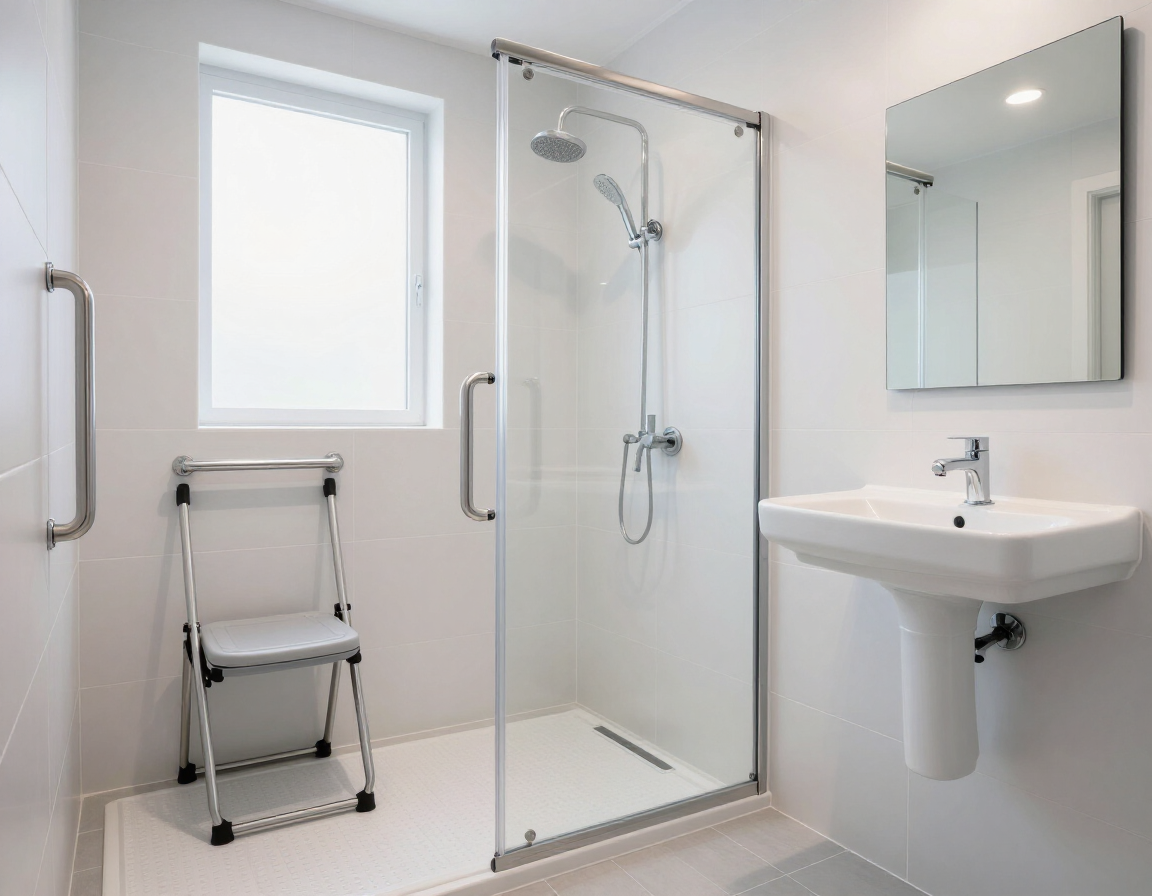
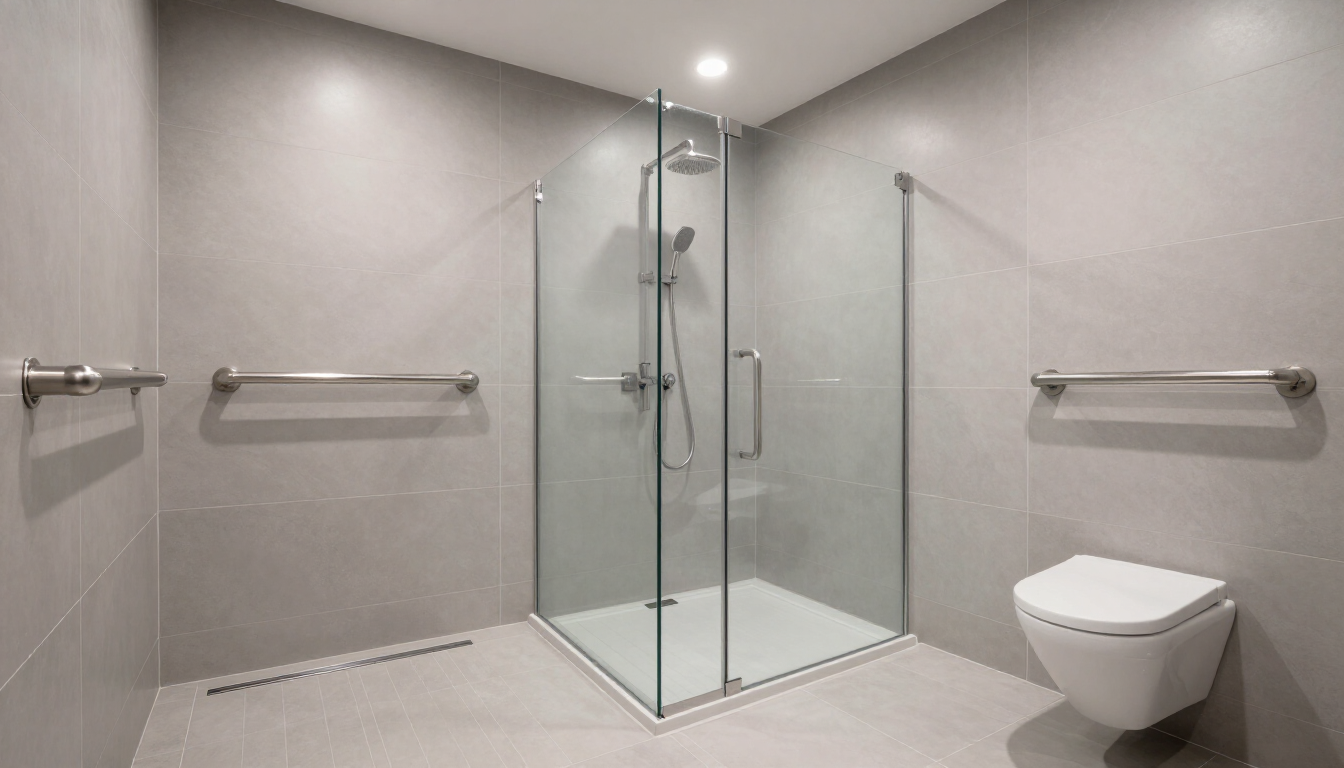
One of the most effective (and often overlooked) tools is colour contrast. A white toilet against white tiles can visually disappear for someone with reduced sight. The same goes for a pale grab rail on a pale wall.
At Parish Bathrooms, we help customers choose:
A contrasting toilet seat or unit against the wall colour
Grab rails in a shade that stands out clearly
Flooring that contrasts gently with walls, so the room "reads" correctly at a glance
These aren't dramatic design compromises, they can be worked into a genuinely attractive, modern wet room or shower room.
Lighting That Reduces Confusion, Not Just Darkness
Good lighting does more than help someone see. It helps someone understand a space. Shadows, glare and dim corners can all be misread as steps, stains or obstacles by someone with dementia or sight loss.
We often recommend:
Even, glare-free lighting across the whole room, not just spotlights
Sensor or automatic lighting for reassurance during night-time visits
Avoiding highly reflective or glossy tiles that can cause visual confusion
Familiarity and Simplicity Matter Too
For someone living with dementia, consistency reduces anxiety. Wherever possible, we aim to keep layouts simple, taps and controls easy to identify, and clutter to a minimum, so the room feels familiar every time it's used, not like a puzzle to solve.
A well-designed wet room in the New Forest or a mobility bathroom in Salisbury can absolutely be both calming and beautiful, while quietly supporting someone's confidence and independence.
Getting the Balance Right
Every person's needs are different, which is why we always start with a conversation, not a catalogue. During a free home assessment, our family-run team takes time to understand not just physical mobility, but memory, sight and daily routines too, so the finished bathroom genuinely works for the person using it.
Talk to Us About a Bathroom That Truly Works for Them
If you are caring for a loved one with dementia or sight loss, you don't have to work out these design details alone. Our experienced team has helped families across Bournemouth, Southampton, Portsmouth and beyond create accessible bathrooms that offer clarity, comfort and dignity, not just safety on paper.
Book a free home assessment with Parish Bathrooms or see our latest installations to explore how thoughtful design can make everyday routines easier and calmer for the people you love.
You might also like